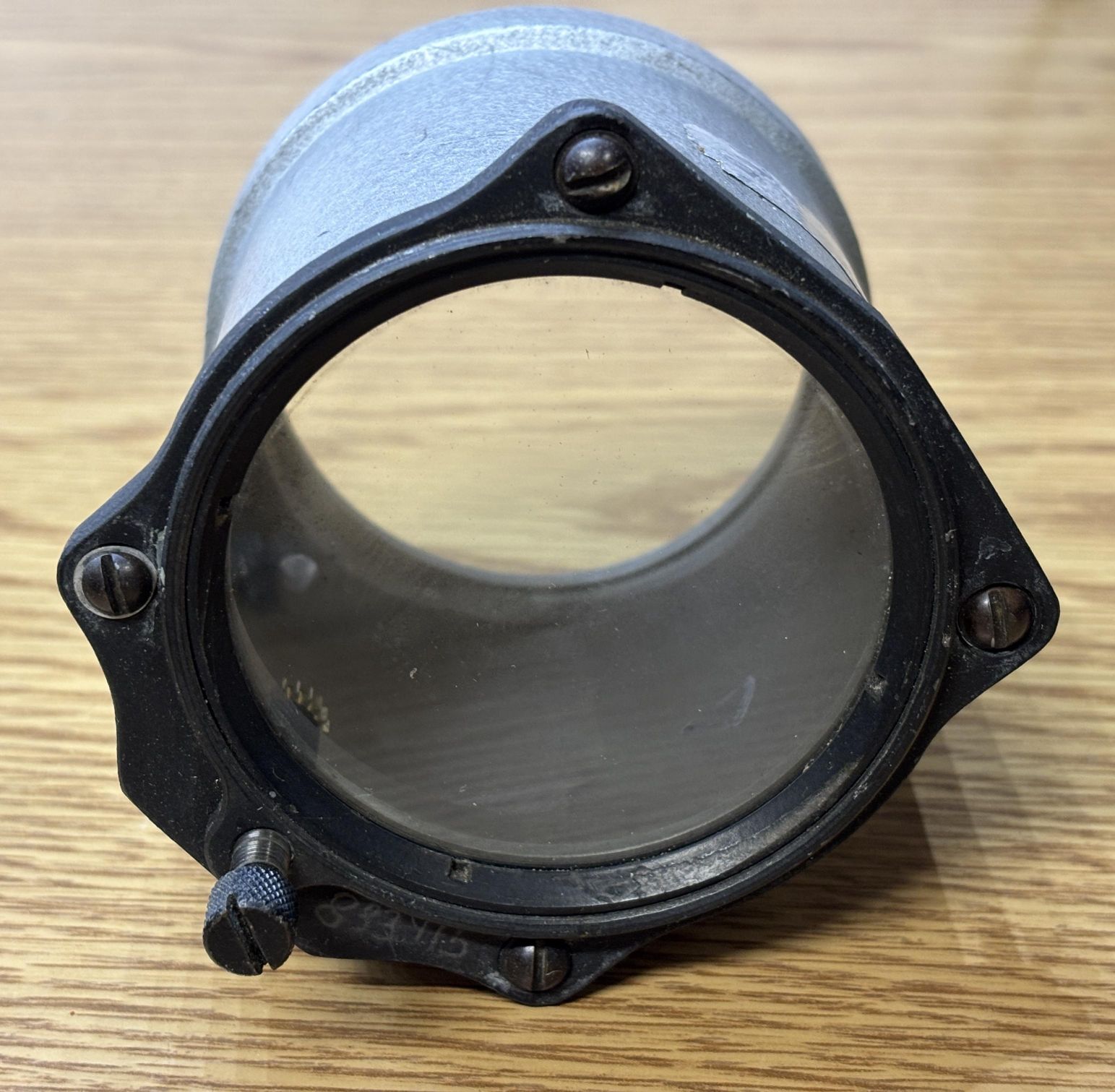
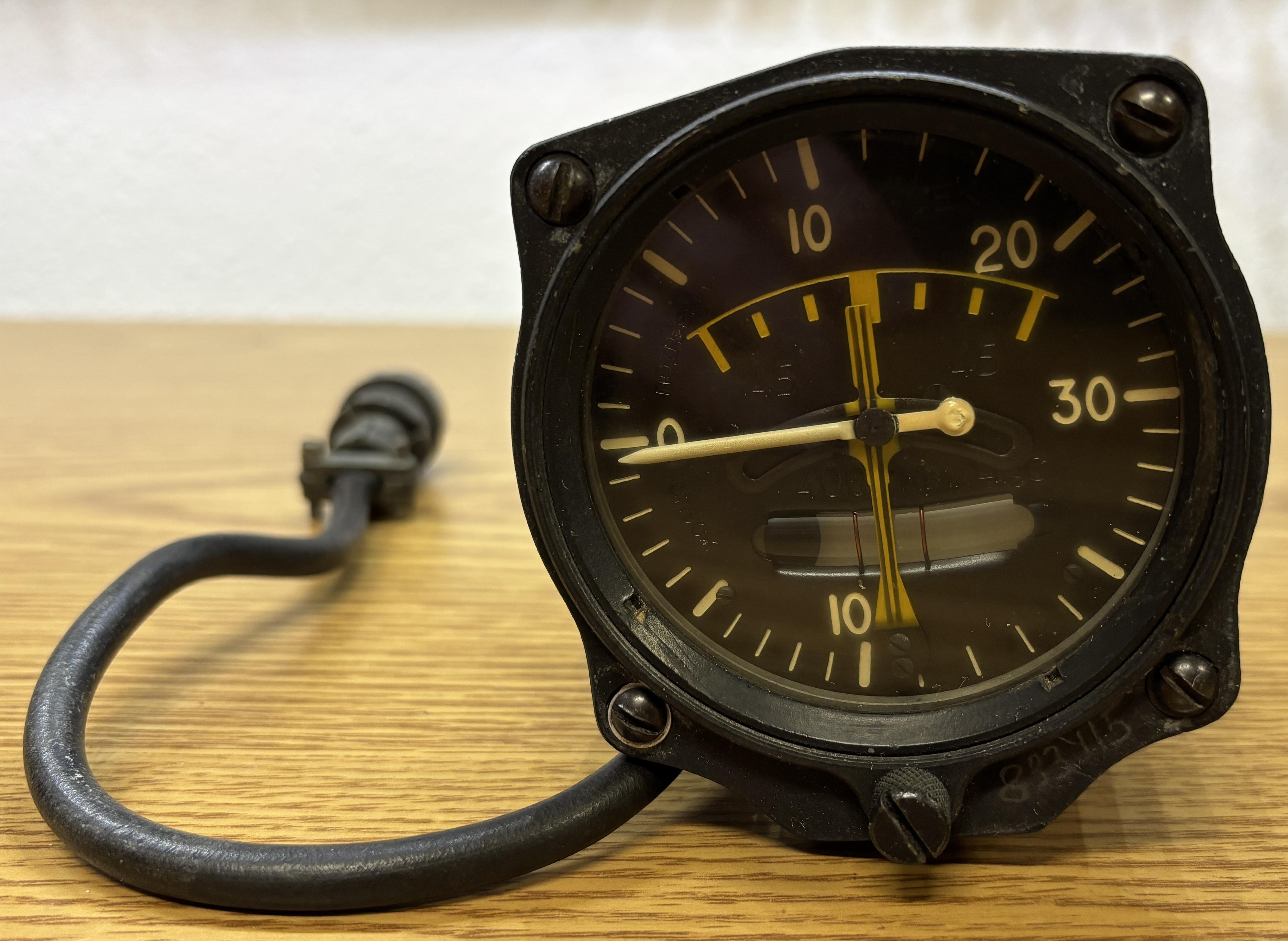
This device integrates 3 separate flight instruments into a single case. A variometer, turn indicator, and a slip/skid indicator. The variometer is used to measure vertical speed. The T-bar in the center deflects left and right to indicate the rate of turn. The capsule of liquid and a bubble is the Soviet equivalent of the inclinometer and serves as the slip/skid indicator.
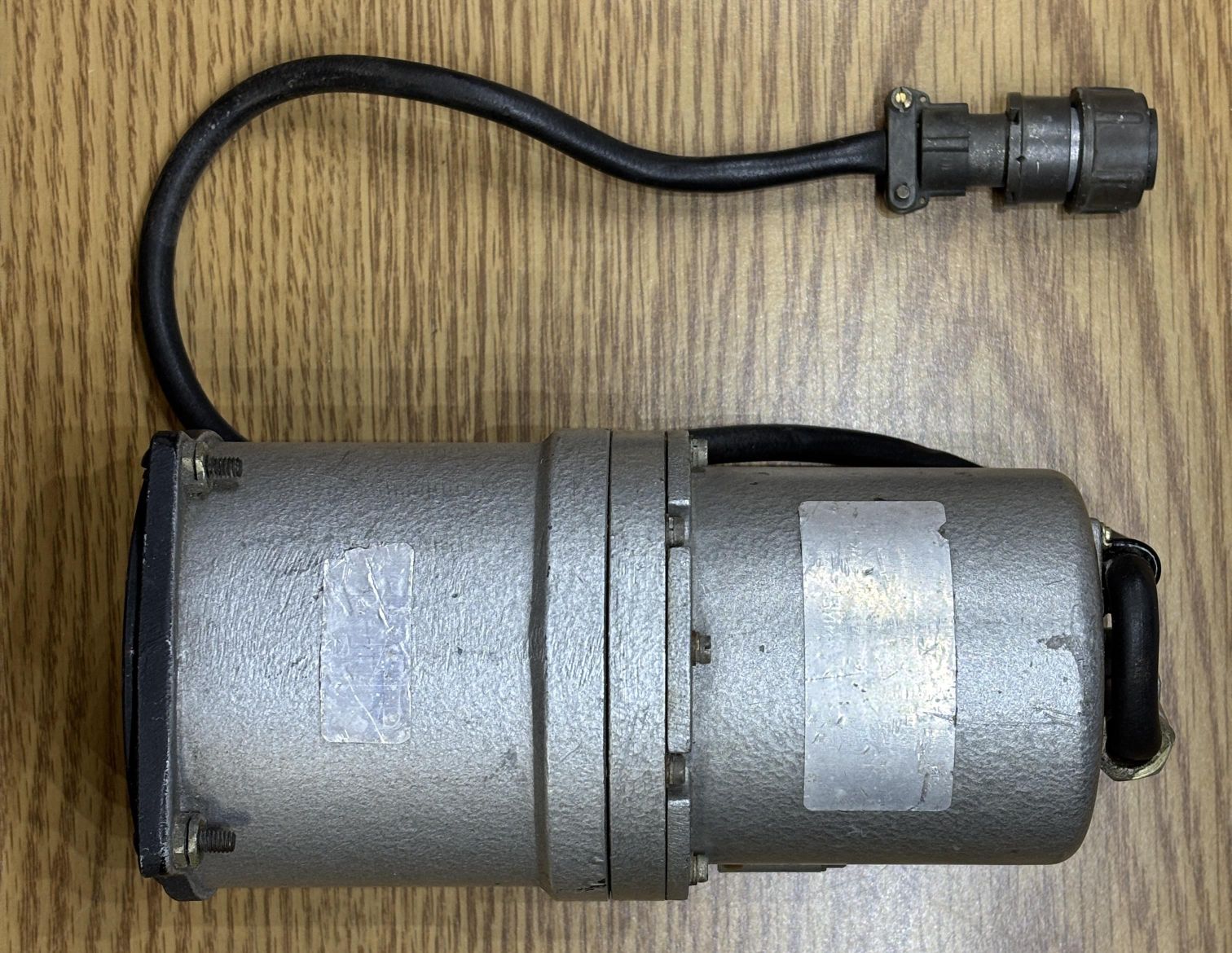
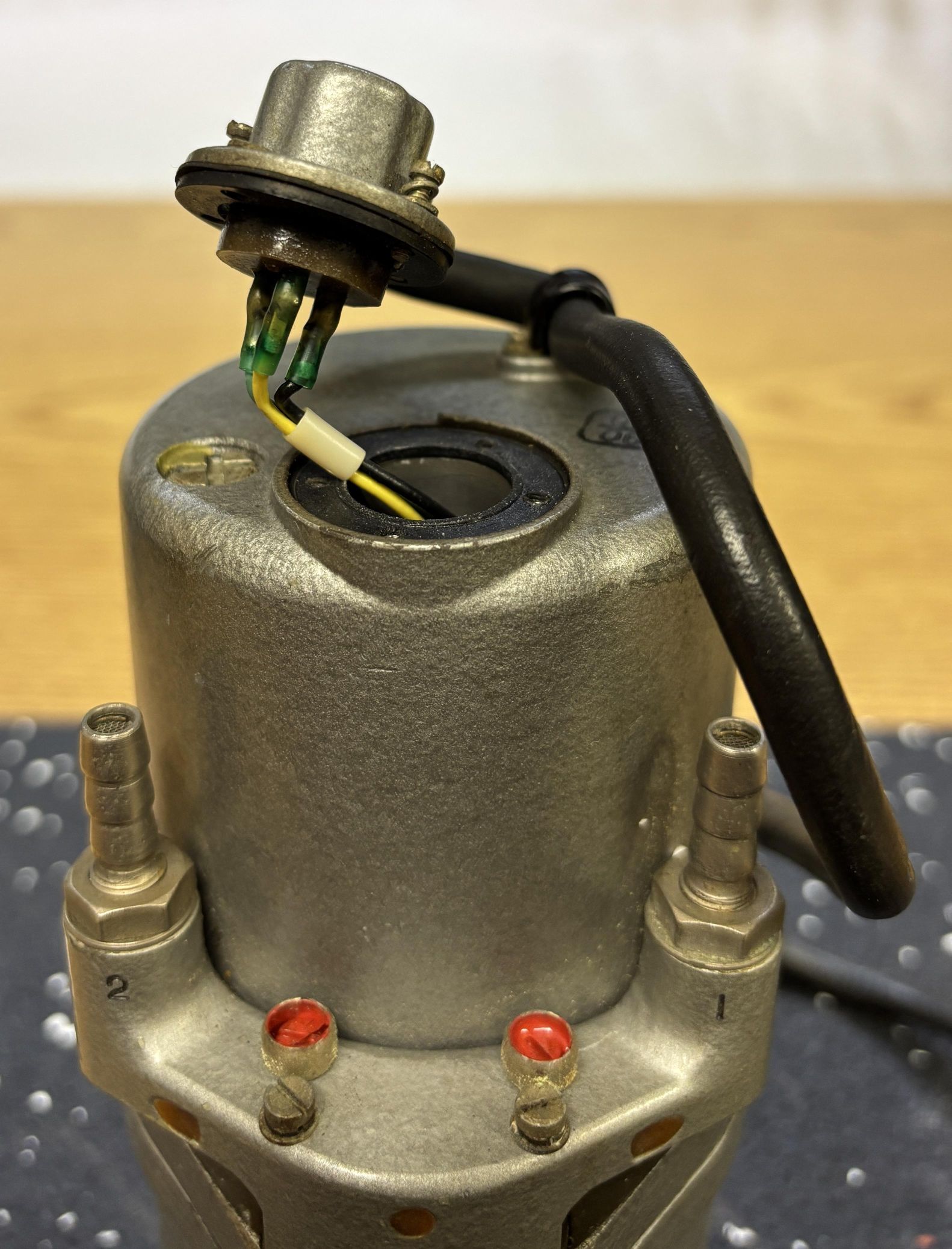
The casing is made of two sections of metal with a hammered finish. There is one electrical connection permanently attached with a plug on the other end.
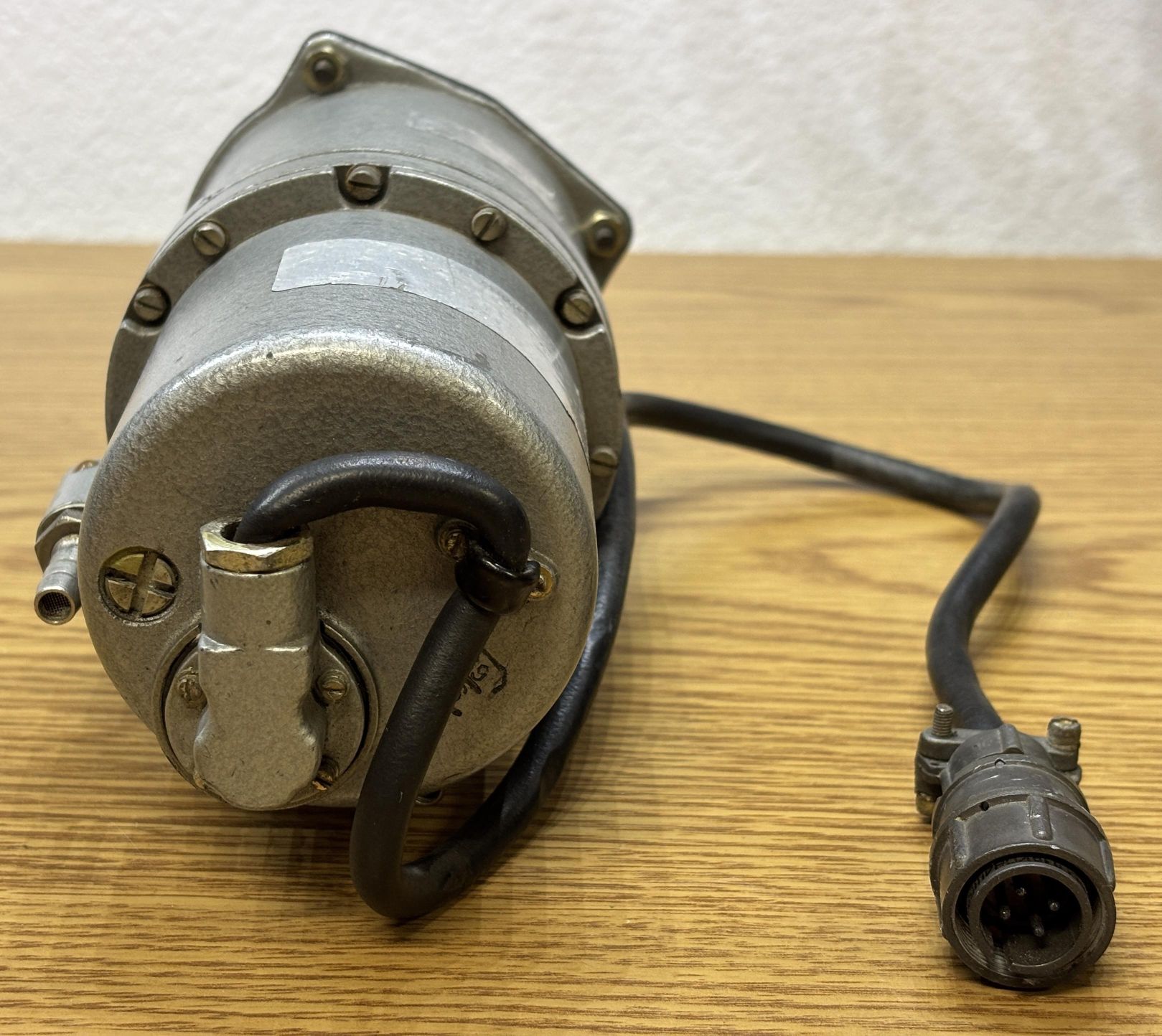
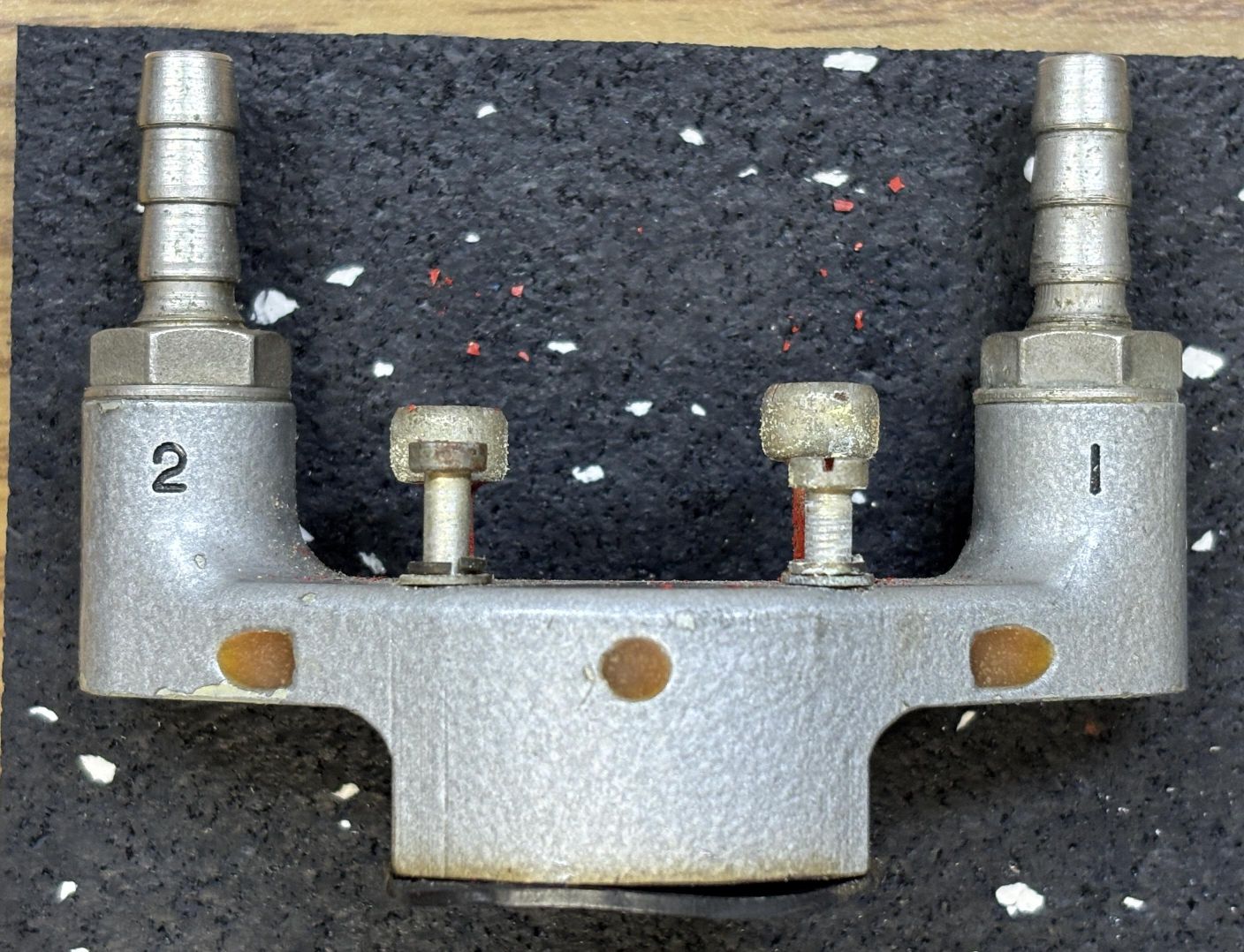
On the side of the instrument are connections for the air lines that drive the vertical speed indicator, likely using ambient/measured air pressure.
Removing the small cap allows access to the electrical connections for the small gyro contained within. Some of the screws that keep the assembly held together are covered with a brittle, red compound. This is an anti-tamper seal that can be used to detect if the unit has been opened.
This is the air inlet/outlet assembly.
Removing several slotted screws allows the rear cover to be separated from the inner assembly.
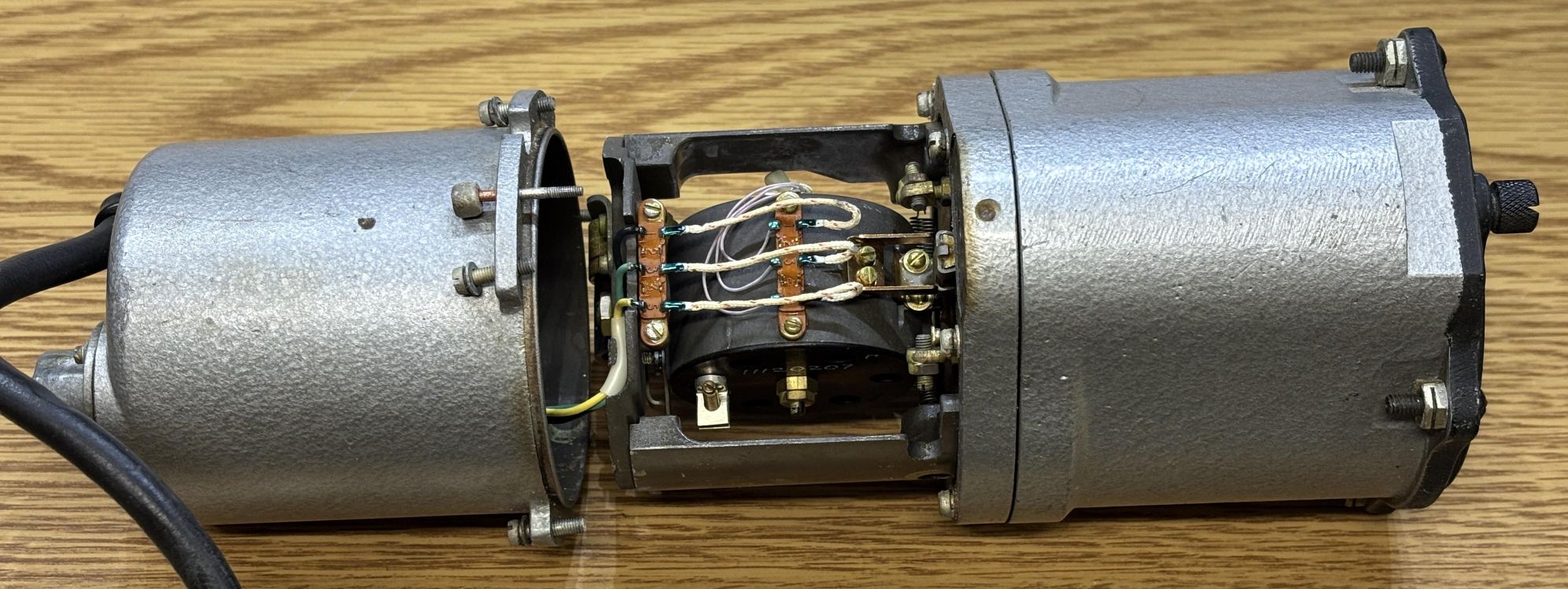
Inside is a small gyromotor, which is powered electrically by a 3-phase AC bus. This is the only electronic component within this instrument, and it is used for the rate-of-turn indicator. The other indicated parameters are purely pneumatic or mechanical.
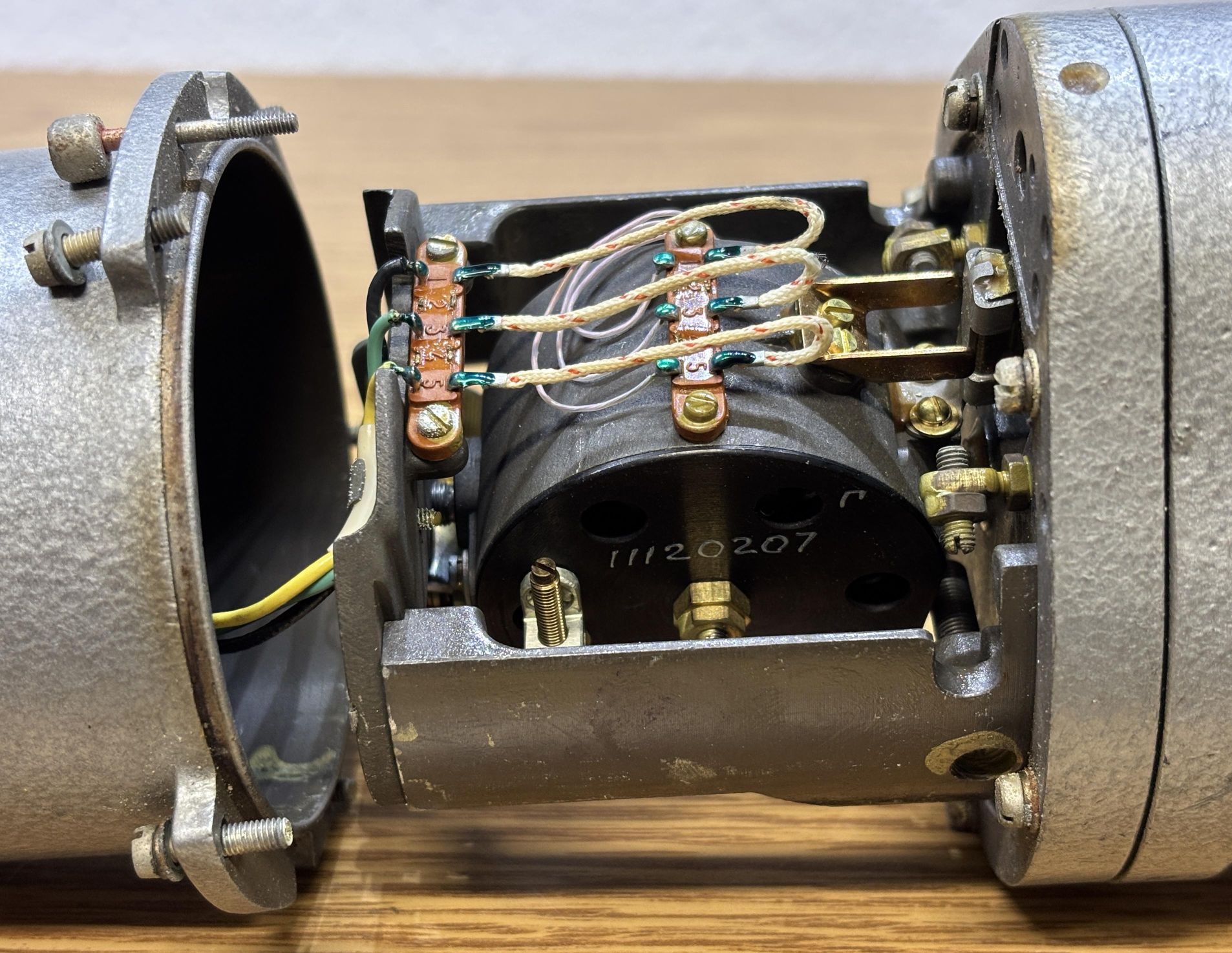
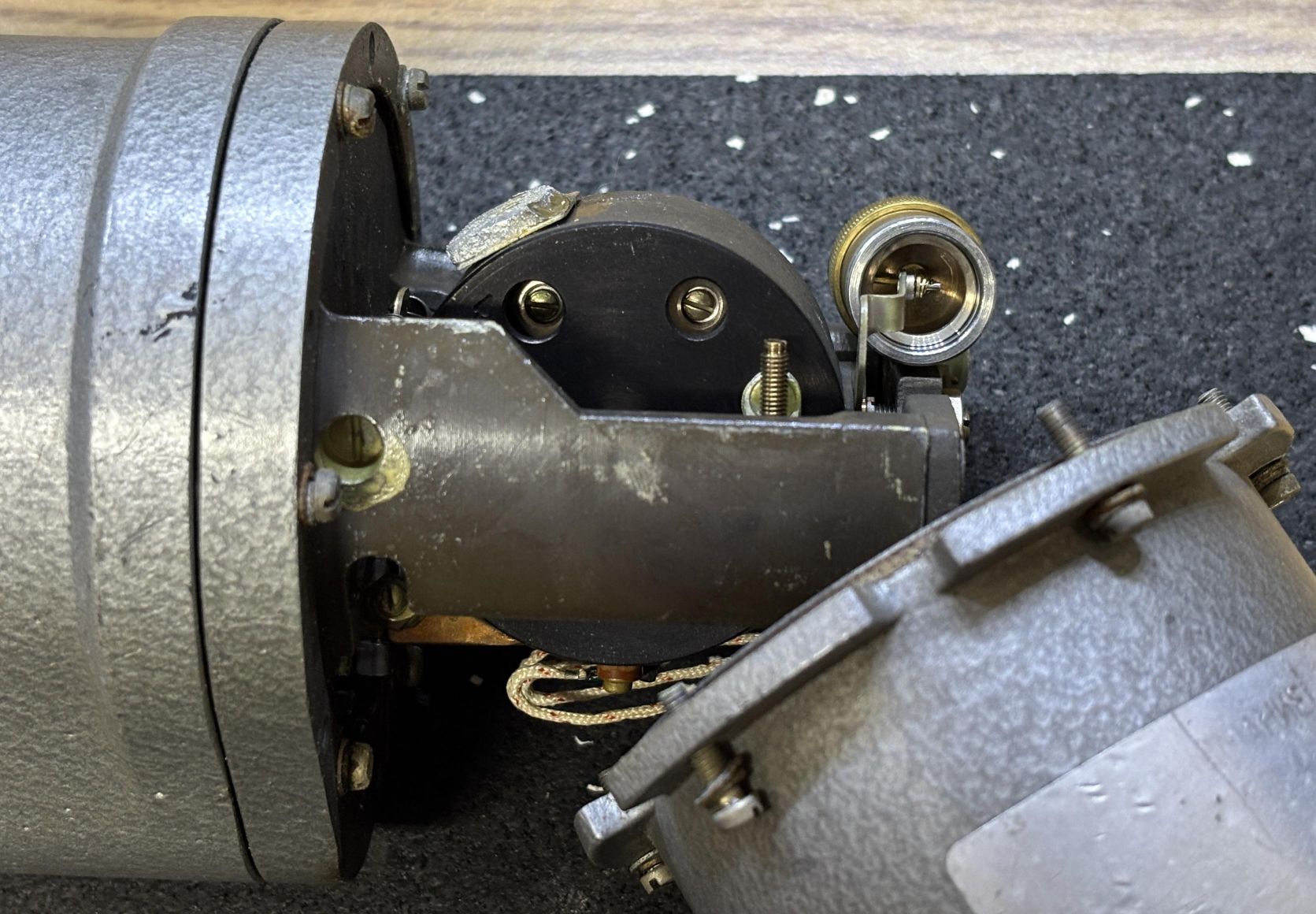
When the gyro is up to speed, it's inertial properties cause it to move left or right, and thus move the connected needle to indicate the rate-of-turn.
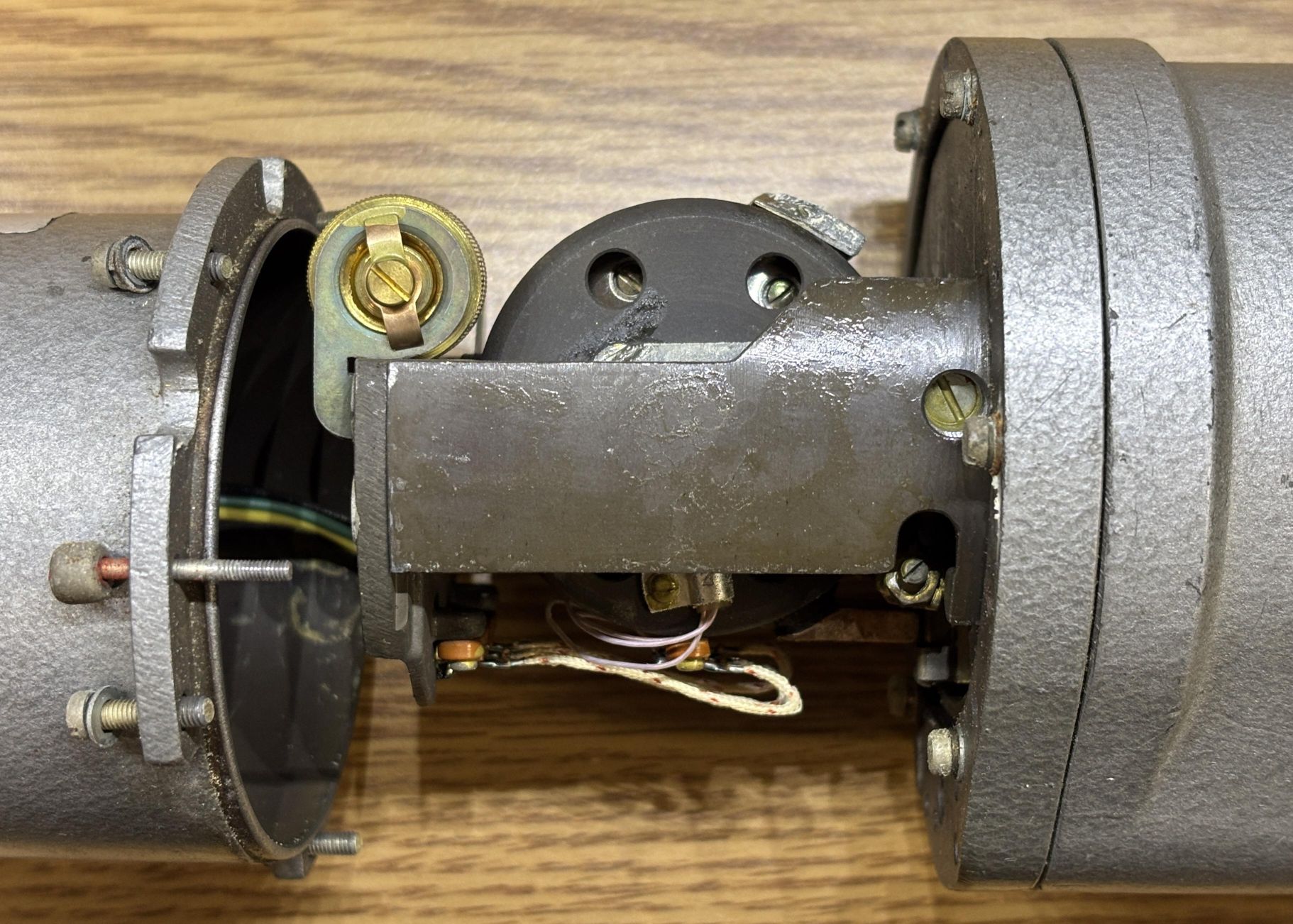
On the top right above the gryo is a small damper mechanism that limits chatter and rapid movement of the gyro.
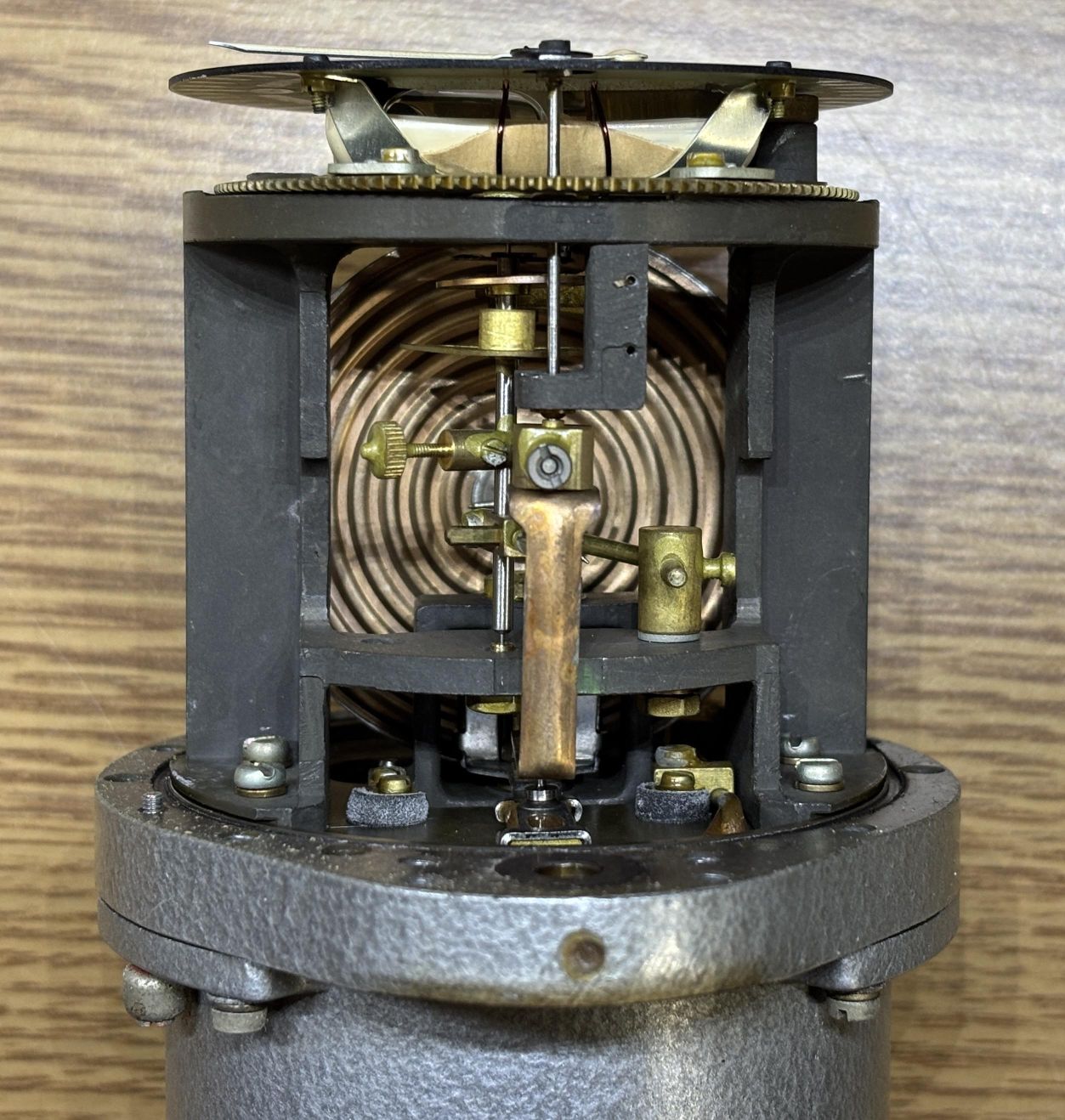
Removing the front section reveals the mechanical components of the various indicators displayed to the pilot, along with the card, which is a painted piece of metal.
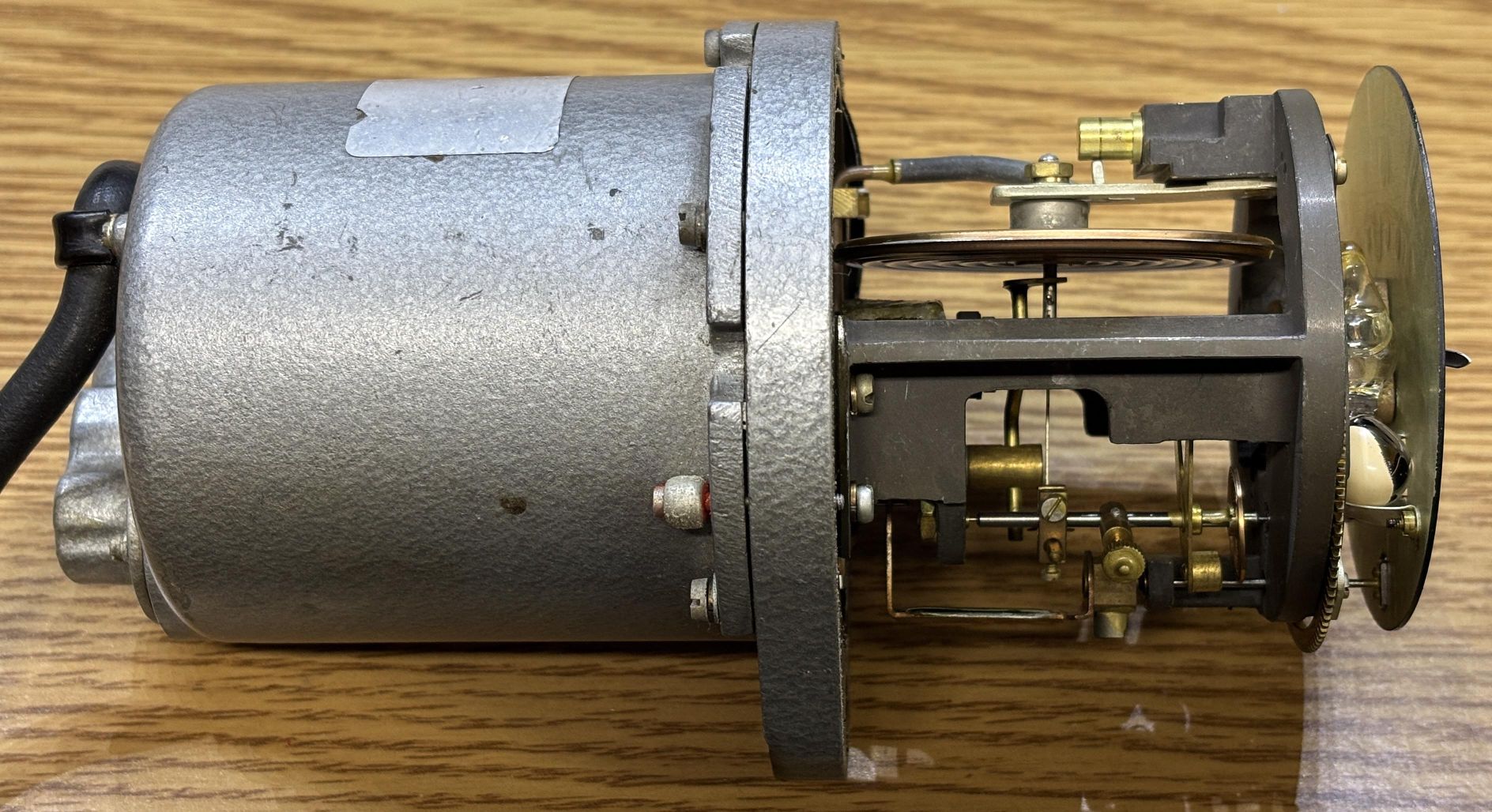
The vertical speed indicator is driven by a small pneumatic diaphragm, which is connected to a barb on the outside of the unit. This diaphragm is directly coupled to gearing for the pointer. As the input pressure changes, the diaphragm expands or contracts, in comparison to a static pressure source, to display the vertical speed.
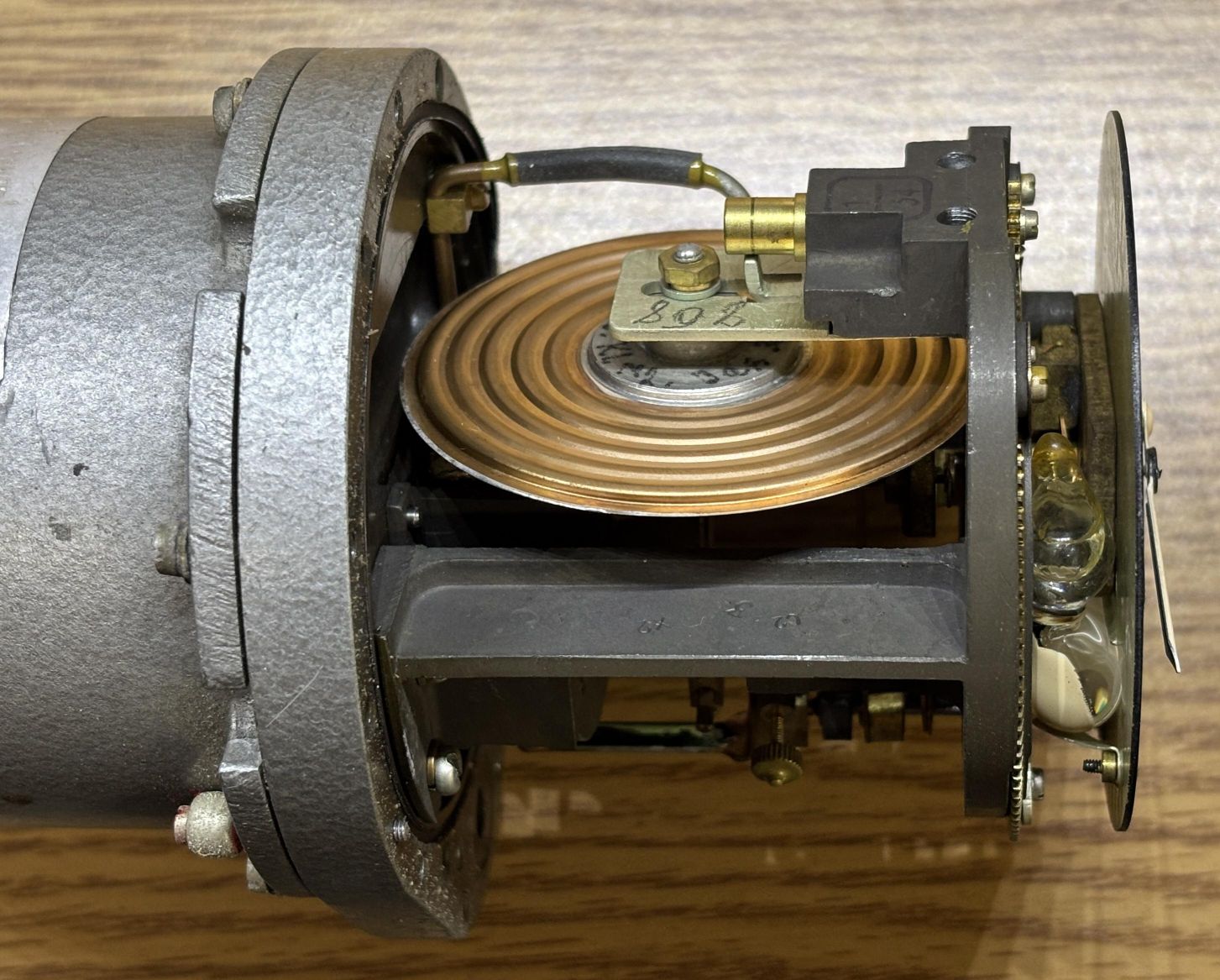
This images showcases the precise and delicate gearing required for this instrument to operate. It's really quite simple.
The last indicator is the slip/skid indicator, which is visible towards the bottom of the face behind a cutout in the front metal plate. It's just a small ball within a sealed ampule of liquid. This operates much like a bubble level.
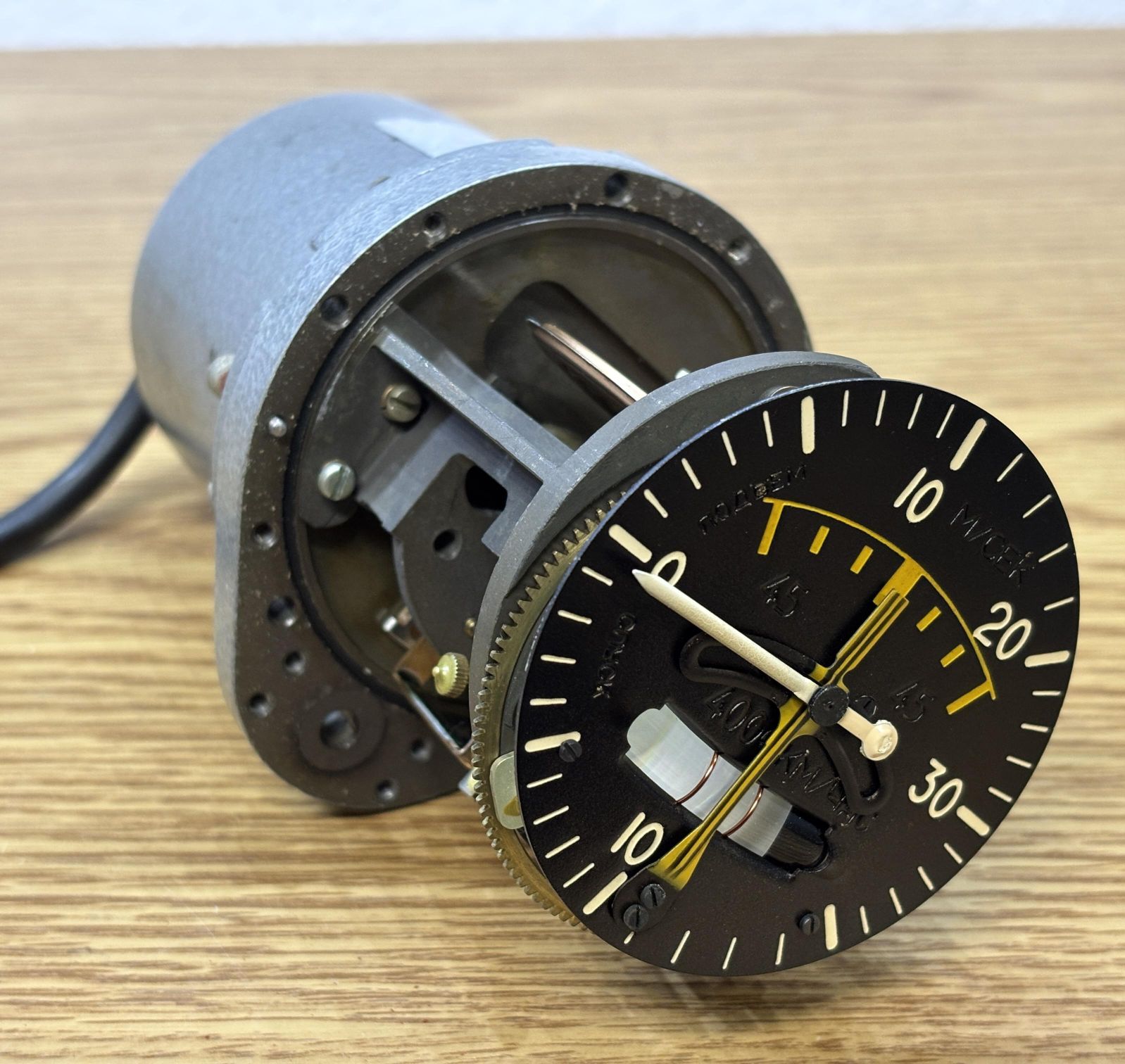
The front section has a piece of glass to protect the instrument. There is a small knob on the bottom which is used to "zero" the vertical speed indicator.